
There is nothing quite like the thrill of planning your next adventure. Whether you are dreaming of exploring vibrant cities, hiking rugged trails, or relaxing on a tropical beach, the right gear can transform your experience.
Choosing a travel bag may seem simple, but it is a decision that can shape every journey. The perfect choice will keep you organised, comfortable, and ready for anything, while the wrong one can lead to stress and frustration.
This guide will walk you through selecting the ideal travel bag for any trip in 2026. Discover the latest styles, essential features, expert tips, and recommendations to ensure your travels are smooth from start to finish.
Ready to travel smarter? Read on for professional advice and inspiration tailored to every type of explorer.
Understanding Your Travel Needs
Selecting a travel bag is more than just picking the first option off the shelf. Understanding your unique travel habits, destinations, and packing style is essential for making the right choice. This section breaks down the main factors to consider so you can match a travel bag to your lifestyle and ensure comfort, convenience, and security on every journey.
Assessing Your Travel Style
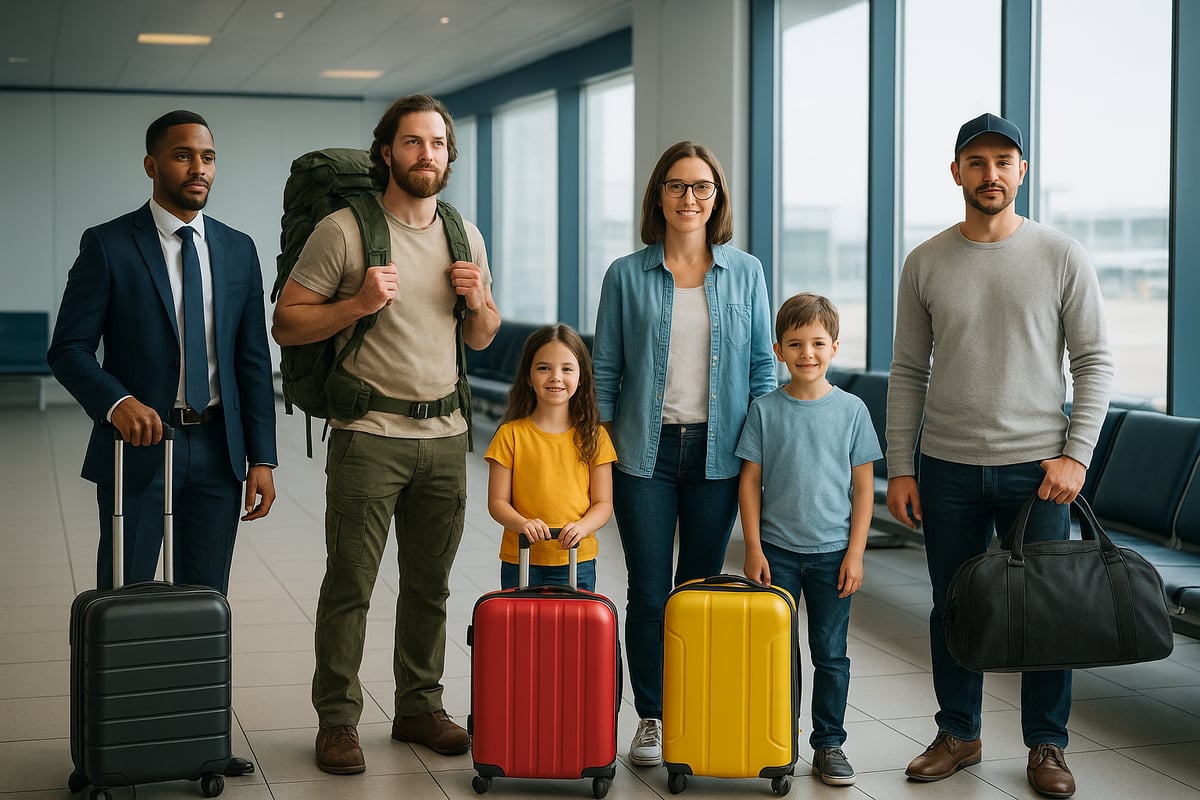
Every traveller has a distinctive style, and this directly influences the choice of a travel bag. Consider how often you travel. Frequent business flyers may prioritise easy-access compartments for documents and tech, while leisure travellers might focus on comfort and versatility.
Think about your typical destinations. Urban explorers need a travel bag that is compact and secure for city streets. Rural or international travellers might require more durable or adaptable bags, especially for unpredictable environments.
Trip duration also plays a key role. Weekend getaways call for something lightweight and easy to carry, but a round-the-world journey demands a travel bag with greater capacity and robust features. Your activities matter, too. Hikers need ergonomic backpacks with hydration sleeves, while remote workers benefit from bags with dedicated laptop sections.
For example, a business traveller may opt for a structured, wheeled suitcase with a laptop sleeve, while a backpacker’s essentials would include a large, supportive pack with multiple compartments. If you want to see options tailored to these different needs, explore the Best Travel Bags Collection for inspiration.
Determining Capacity Requirements
How much do you usually pack? This question is central to choosing a travel bag that fits your needs. Light packers may prefer compact carry-ons, while those who like to prepare for every scenario will need something larger. Airline baggage rules are another crucial factor. Most airlines in Australia allow 7kg for carry-on and 23kg for checked bags, so selecting a travel bag that meets these restrictions avoids unwanted fees or hassle at the airport.
Your packing habits—minimalist or comprehensive—also guide your decision. If you travel light, a simple weekend bag or small rolling suitcase may suffice. For longer holidays, a travel bag with expandable sections offers flexibility as you accumulate souvenirs or adapt to changing climates.
Compare the following scenarios:
Trip Type |
Ideal Bag |
Typical Capacity |
|---|---|---|
Weekend Getaway |
Duffel or Tote |
20-30L |
Week-long Holiday |
Medium Suitcase |
50-70L |
Extended Journey |
Large Suitcase |
70-100L |
Matching a travel bag to your trip ensures you have enough space without overpacking or struggling with oversized luggage.
Special Considerations
Unique circumstances often shape travel bag requirements. Travelling with children or pets? You will need a travel bag that is easy to manage, with extra compartments for snacks, toys, or pet essentials. Medical or accessibility needs may require specialised features, such as smooth-rolling wheels, lightweight frames, or bags with clear medication organisers.
Security is another key concern. If you are carrying valuables, a travel bag with lockable zippers or hidden pockets is essential. Climate and weather also matter—water-resistant materials protect your belongings in wet conditions, while breathable fabrics help in hot climates.
By carefully considering these factors, you can confidently select a travel bag that supports your comfort, keeps your items secure, and adapts to any adventure ahead.
Types of Travel Bags Explained
Choosing a travel bag is a critical decision for any journey. With so many options available, understanding the strengths of each bag type can make packing and moving through airports or train stations far easier. Whether you are planning a weekend escape or a multi-month adventure, selecting a travel bag that matches your style and needs is essential for a smooth experience.
Suitcases: Hard Shell vs. Soft Shell
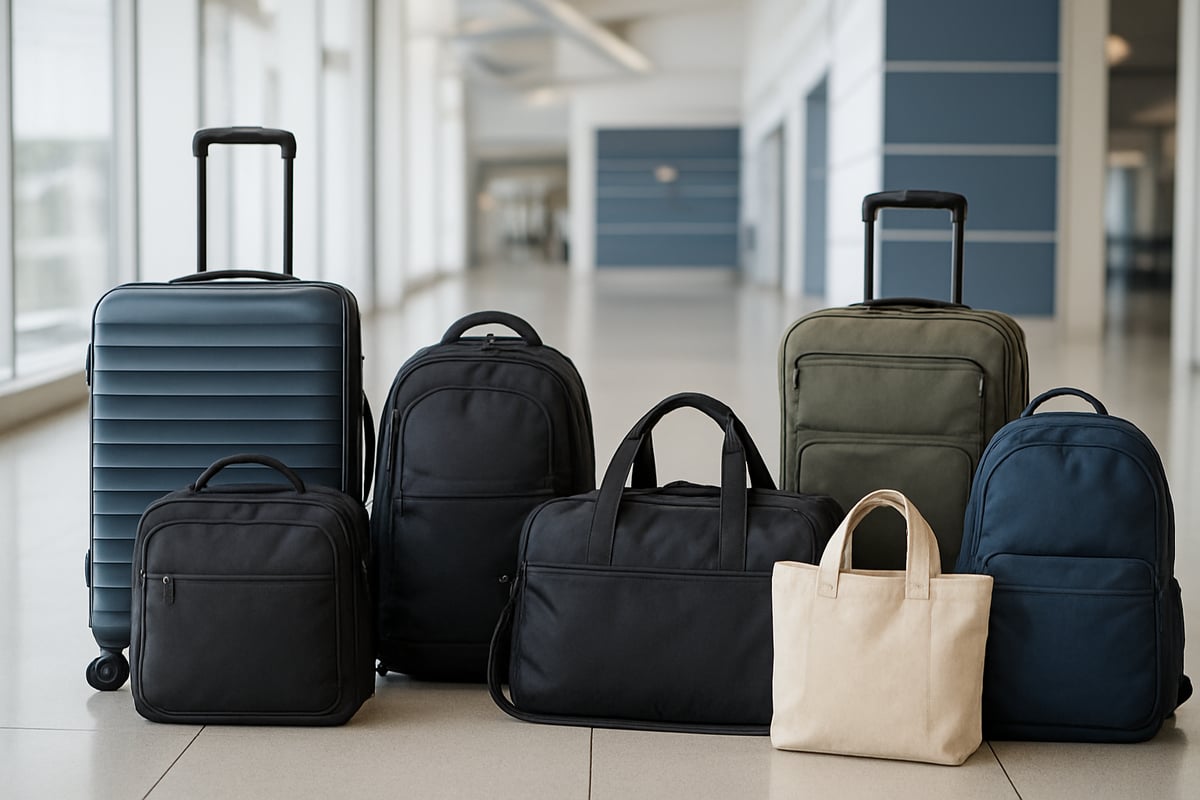
A travel bag in the form of a suitcase remains one of the most popular choices for air travel. Hard shell suitcases offer superior durability and protection for your belongings, often being 30 percent more effective against impacts compared to their soft shell counterparts. Soft shell suitcases, meanwhile, provide greater flexibility and expandable sections, making them easier to fit into tight spaces.
Feature |
Hard Shell Suitcase |
Soft Shell Suitcase |
|---|---|---|
Protection |
High |
Moderate |
Flexibility |
Low |
High |
Weight |
Heavier |
Lighter |
Expandability |
Limited |
Yes |
Best for |
Checked luggage |
Carry-on, Overheads |
Recent luggage trends of 2025 highlight innovations such as lightweight materials and advanced locking systems, making a travel bag in this category more functional and secure than ever. Suitcases work best for those needing structured storage and protection for longer or international trips.
Backpacks: Daypacks, Travel Packs, and Hiking Bags
When flexibility and mobility are priorities, a travel bag designed as a backpack is an excellent choice. Backpacks come in various forms, including compact daypacks for city tours, travel packs with organisational compartments, and hiking bags with hydration reservoirs and ergonomic support.
Look for backpacks with padded shoulder straps, adjustable waist belts, and ventilated back panels for maximum comfort. Features like dedicated laptop sleeves and modular compartments help keep belongings organised. For example, Crumpler’s travel backpacks offer padded support and smart layouts, making them ideal for multi-destination adventures or urban exploration.
A travel bag in this style suits those who value hands-free movement and the ability to adapt to different activities on the go.
Duffle Bags and Holdalls
A travel bag in the duffel or holdall style is known for its versatility and ease of use. Duffle bags are lightweight, easy to pack, and simple to stow in cars, buses, or overhead bins. Many models feature water-resistant materials and reinforced stitching, offering durability without unnecessary bulk.
Holdalls generally combine tough exteriors with sleek designs, making them suitable for gym sessions, sports trips, or spontaneous weekend getaways. The wide opening of a duffel bag allows for quick access to contents, which is perfect for travellers who like to grab essentials on the move.
If you prefer a bag that adapts to various travel scenarios, this type of travel bag is a smart, flexible option.
Tote Bags, Crossbody, and Messenger Bags
For shorter trips or as personal items, a travel bag in the form of a tote, crossbody, or messenger bag offers convenience and style. Tote bags provide ample open space for daily essentials, while crossbody and messenger bags add security with zippered compartments and anti-theft features.
These bags are lightweight and easy to carry, making them ideal for city breaks or as a complement to larger luggage. Crossbody bags, in particular, are favoured for their hands-free design and ability to keep valuables close in crowded urban environments.
A travel bag in this category is best for those who want quick access to important items and a sleek, understated look.
Specialty Bags: Laptop Bags, Camera Bags, and Accessories
When protecting technology and valuables is vital, a travel bag tailored to electronics is indispensable. Laptop bags with padded compartments, camera bags with adjustable dividers, and accessory organisers with RFID-blocking pockets ensure your devices travel safely.
A travel bag designed for tech provides peace of mind and efficiency for digital nomads, photographers, and business travellers alike.
Key Features to Look For in 2026
Selecting a travel bag in 2026 is more than just a style choice. The right features can transform your travel experience, providing durability, security, and peace of mind. As travel evolves, so do the expectations for a travel bag, making it crucial to assess innovations and trends before your next adventure.
Material Innovations and Durability
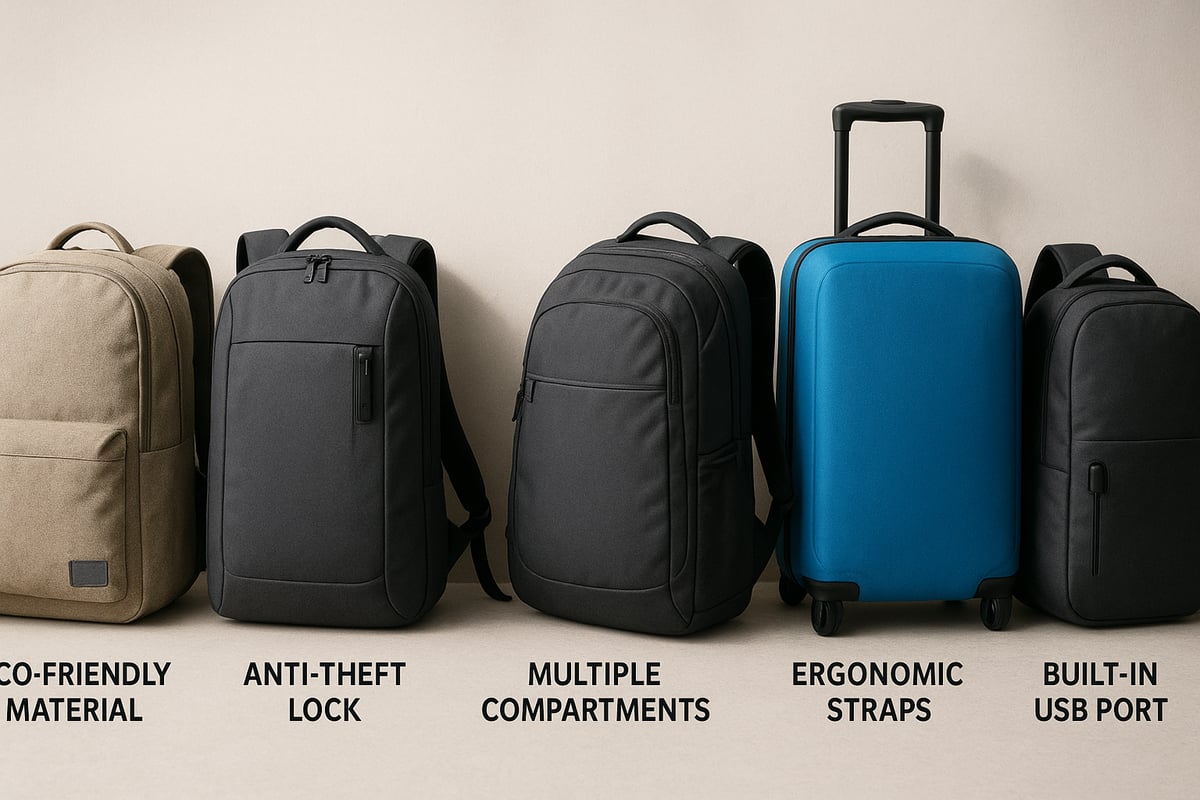
In 2026, material advancements are setting new standards for a travel bag. Brands now prioritise recycled fabrics, offering both environmental benefits and robust performance. Waterproof coatings protect contents from unpredictable weather, while reinforced stitching ensures your travel bag withstands the rigours of transit.
When choosing a travel bag, consider not just its look but also the longevity and warranty support offered.
Security and Anti-Theft Features
Security is a top priority for any traveller. Modern travel bags are equipped with lockable zippers, cut-resistant straps, and RFID-blocking pockets to guard against theft and electronic pickpocketing. Hidden compartments offer discreet storage for valuables, making your belongings much safer on the go.
If you often travel through busy airports or cities, investing in a travel bag with advanced security features is essential. For those seeking extra peace of mind, explore Anti-Theft Bags for Secure Travel for a range of options designed to keep your essentials protected.
Organisation and Accessibility
Efficient organisation is crucial when choosing a travel bag. Multiple compartments, modular sections, and the use of packing cubes can help keep your items separated and easy to find. Research indicates that packing cubes can increase packing efficiency by up to 30 percent, making them a smart addition to any travel bag.
Look for designs that offer dedicated sections for shoes, toiletries, and tech gear. Accessible pockets and clear layouts reduce frustration during transit, ensuring you spend less time searching and more time enjoying your journey.
Comfort and Ergonomics
A travel bag should be as comfortable as it is functional. Adjustable, padded straps and ergonomic back support reduce fatigue, especially on long trips. Lightweight frames and well-designed handles or swivel wheels can make navigation through terminals and city streets effortless.
Studies show that ergonomic backpacks can reduce back strain by 25 percent, making them ideal for frequent travellers. Always test a travel bag for fit and comfort, as even short trips can become burdensome with the wrong design.
Style, Colour, and Personalisation
In 2026, style is a significant part of selecting a travel bag. Bold colours and unique patterns help your bag stand out on the carousel, while customisation options such as monogramming add a personal touch.
Whether you prefer classic neutrals or vibrant hues, choose a travel bag that reflects your personality and enhances your travel experience. Personalisation is not just about looks, it also helps in quick identification and reduces the risk of mix-ups.
Smart Tech Integration
Technology is rapidly shaping the future of travel bags. Many models now feature built-in USB charging ports, GPS trackers, and digital locks for added security and convenience. Industry reports show that 20 percent of new bags in 2026 come with integrated tech, making connectivity and safety more accessible than ever.
When selecting a travel bag, assess which smart features align with your travel style. USB ports are perfect for business travellers, while GPS tracking adds peace of mind for adventurers exploring new destinations.
A travel bag in 2026 is more than a simple suitcase, it's a blend of innovation, security, and personal expression. By focusing on these key features, you ensure every journey is comfortable, organised, and uniquely yours.
Step-by-Step Guide to Choosing Your Perfect Travel Bag
Choosing a travel bag can feel overwhelming, but a structured approach makes it simple. Follow these seven steps to find a travel bag that suits your journey, style, and peace of mind.
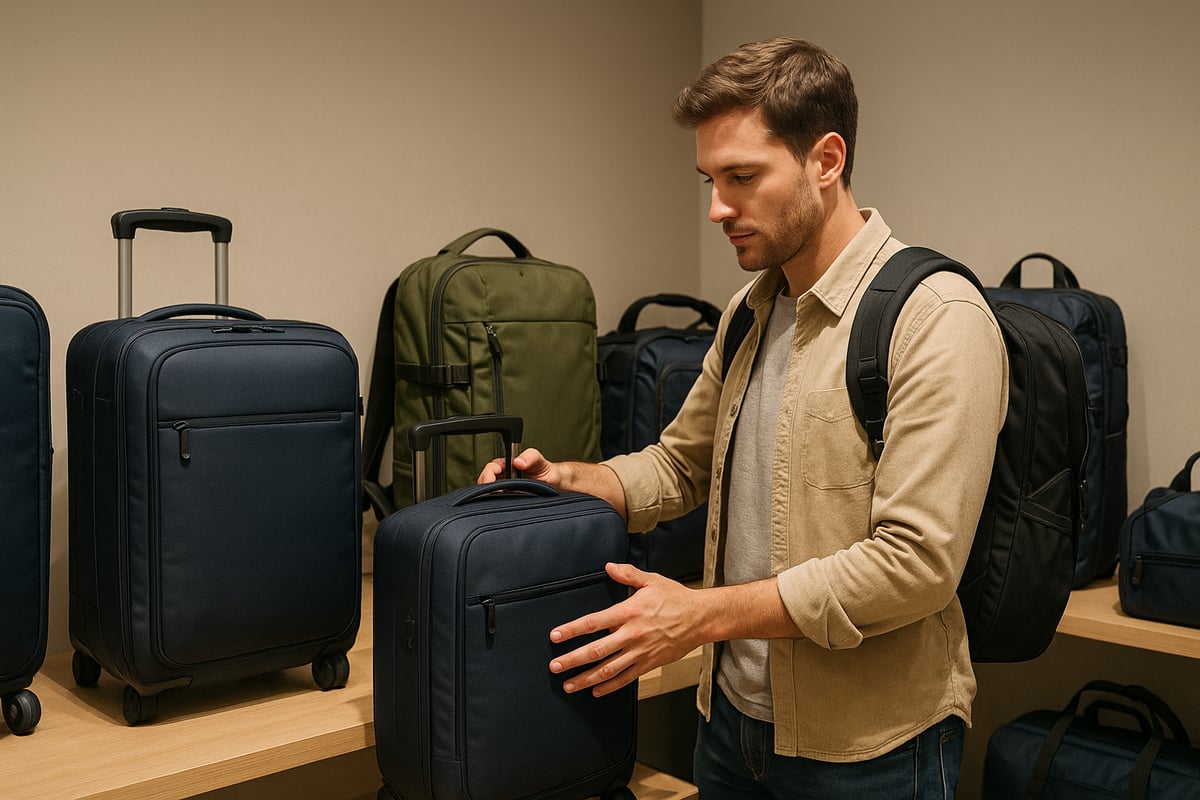
Step 1: List Your Trip Details
Start by outlining your destination, travel dates, planned activities, and a rough packing list. Will you be city-hopping or heading into the wilderness? The more details you list, the easier it is to match a travel bag to your needs.
For instance, a city weekend calls for something compact, while a multi-country adventure demands versatility and space. Think about weather, access to laundry, and transportation methods as well.
Step 2: Match Bag Type to Trip Needs
Once your trip is mapped out, align your choice of a travel bag with your specific requirements. Use a simple decision matrix to compare options:
Trip Type |
Recommended Bag |
Why |
|---|---|---|
City Break |
Carry-on suitcase |
Easy wheels, compact |
Adventure/Backpacking |
Travel pack |
Ergonomics, compartments |
Family Holiday |
Large suitcase |
Space, organisation |
Weekend Getaway |
Duffle bag |
Lightweight, flexible |
Choose a travel bag that fits your primary activity and adjust for any secondary needs.
Step 3: Prioritise Essential Features
Identify must-have features for a travel bag based on your priorities:
Security (anti-theft zippers, RFID pockets)
Organisation (multiple compartments, packing cubes)
Comfort (padded straps, ergonomic handles)
Durability (water resistance, strong materials)
Warranty (lifetime or extended coverage)
Create a checklist and tick off the essentials as you shop for a travel bag.
Step 4: Consider Airline and Transport Restrictions
Before purchasing a travel bag, review airline size and weight limits. Most airlines allow carry-ons up to 56 x 36 x 23 cm and checked bags up to 23kg.
If you travel frequently, choose a travel bag that fits within these restrictions to avoid extra fees and hassles. Check local transport requirements if you plan to use trains or buses too.
Step 5: Test for Comfort and Fit
Always test a travel bag for comfort and fit before making a final decision. Try adjusting straps, lifting the bag, and rolling it if possible.
Check handle height and wheel smoothness for suitcases. For backpacks, ensure the weight sits comfortably on your hips and shoulders. Comfort is key for long journeys.
Step 6: Evaluate Value, Warranty, and Brand Reputation
Compare price against features, warranty, and customer reviews. Look for brands with strong reputations, like those offering lifetime repairs or money-back guarantees.
A travel bag with a solid warranty and high-quality materials is a long-term investment. Balance your budget with durability and support for peace of mind.
Step 7: Make Your Selection and Pack Smart
Once you have chosen a travel bag, focus on efficient packing. Use tools like Packing Cubes for Efficient Packing to maximise space and organisation.
Packing cubes help categorise your clothes and accessories, making it easier to find items on the go. Add accessories for toiletries, tech, or shoes to keep everything secure and tidy.
Packing Tips and Bag Maintenance
Packing efficiently and caring for a travel bag can transform your entire journey. The right strategies not only maximise space but also protect your belongings and extend the life of your gear. Here, you will find practical tips to help you pack smart, keep your bag in top condition, and travel with confidence.
Efficient Packing Strategies
Packing a travel bag effectively is crucial for a smooth trip. Start by using packing cubes to organise clothing and accessories. This method not only saves space but also makes unpacking easier. Rolling clothes instead of folding minimises wrinkles and maximises room.
Separate items like toiletries, shoes, and electronics in dedicated compartments or pouches. This keeps everything accessible and prevents spills or damage. For those who want to enhance their packing game, explore Travel Accessories for Smart Packing to discover products designed for efficiency and organisation.
Bag Maintenance and Longevity
Maintaining a travel bag ensures it lasts through many adventures. Clean hard shell bags with a damp cloth and mild soap, while fabric bags may need gentle brushing or spot cleaning. For leather, use a specialised conditioner to preserve the material.
Store a travel bag in a cool, dry place, ideally in a dust cover or upright position to maintain its shape. Take advantage of lifetime repair services from reputable brands if your bag is damaged. Regular checks for wear and tear can prevent small issues from becoming major problems.
Security on the Go
Keeping your belongings safe is essential when travelling with a travel bag. Always use a sturdy lock on zippers and secure luggage tags to help identify your bag. Consider straps or security cables for extra peace of mind, especially in busy airports or stations.
Store valuables in hidden or anti-theft compartments whenever possible. Keep a copy of important documents in a separate location. Quick checks before moving between destinations can help ensure nothing is left behind.
Adapting for Changing Needs
Travel plans often change, so it is helpful to choose a travel bag that adapts to different requirements. Modular bags with detachable sections or expandable compartments offer flexibility for various trip lengths.
Mixing bag types, such as pairing a duffel with a backpack, allows you to tailor your packing for each journey. If your travel style evolves, consider upgrading or adding accessories to your existing bag instead of buying a completely new one.
Eco-Friendly Travel Habits
Opting for a travel bag made from sustainable materials supports responsible tourism. Many brands now offer recycled fabrics and eco-friendly production processes. When your bag reaches the end of its life, recycle it through proper channels or repurpose it for storage at home.
Choose reusable organisers and minimise single-use plastics in your packing routine. By making eco-conscious decisions, you help reduce your environmental impact and set a positive example for fellow travellers.
Expert Recommendations and 2026 Trends
The travel bag market in Australia is evolving at a rapid pace, shaped by innovation, sustainability, and changing traveller expectations. Whether you are a frequent flyer, an adventure seeker, or planning a family holiday, understanding the latest trends and expert insights will ensure you select a travel bag that meets every need in 2026.
Trending Bag Styles and Features for 2026
In 2026, the definition of a travel bag is being transformed by new trends and consumer demands. Tech-forward bags with integrated GPS, smart locks, and USB charging ports are now mainstream. Eco-conscious materials, such as recycled plastics and vegan leathers, are increasingly popular.
Personalisation is also on the rise, with monogramming and bold colour collections adding a touch of individuality. For those seeking fashion and function, Handbag trends for 2026 highlight how design innovation influences travel bags, blending luxury with practical features.
Expect to see modular elements, anti-theft compartments, and matching travel sets dominating airport lounges this year.

Leave a comment
This site is protected by hCaptcha and the hCaptcha Privacy Policy and Terms of Service apply.